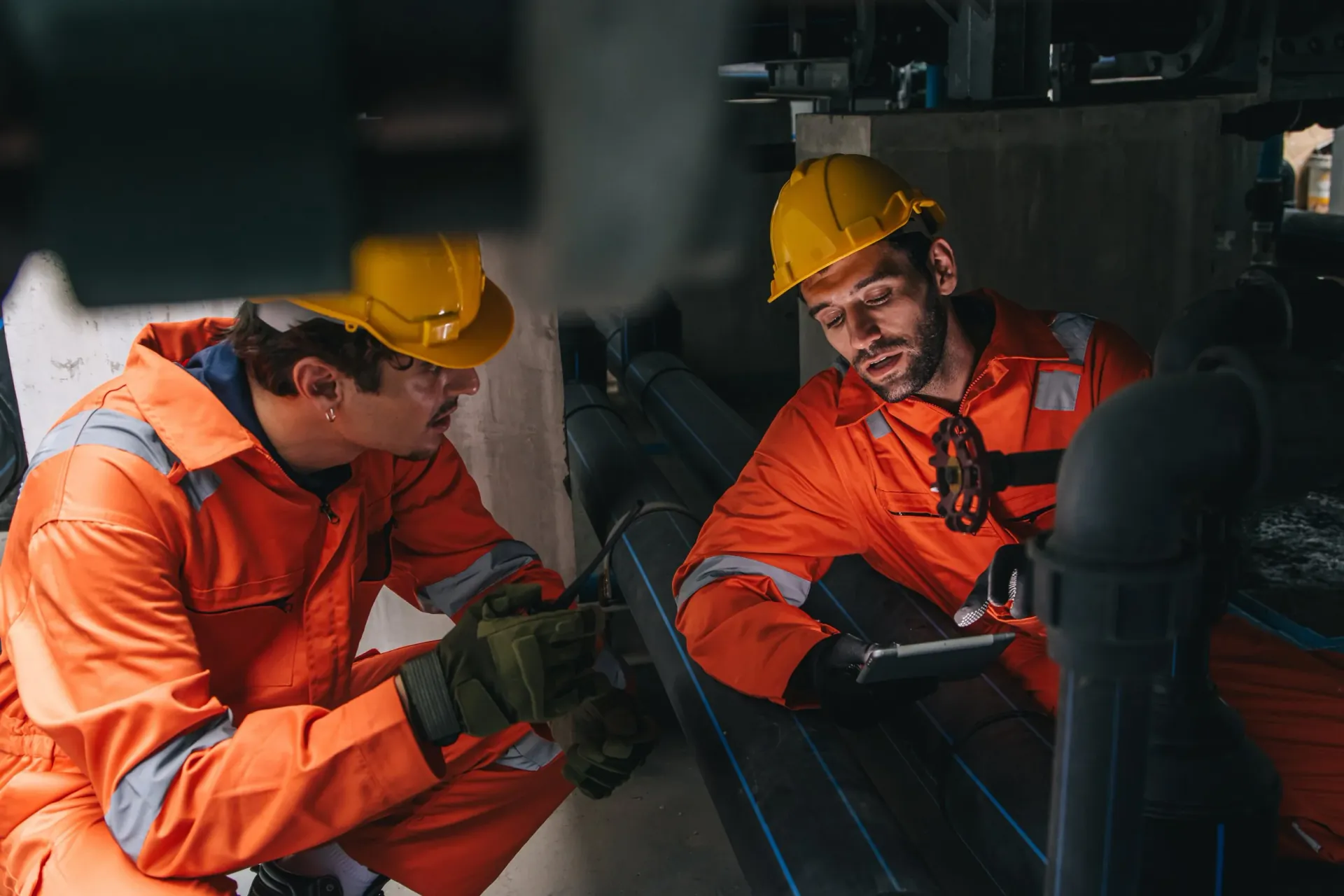
Workplace MSD prevention platform
Reduce musculoskeletal injuries. With evidence.
Etiscope Capture records objective evidence of physical-work risk in around 10 minutes per assessment. Etiscope builds that evidence into something your program keeps — a task demands library, suitable duties matched to real role demands, a risk universe across every site and shift, validated controls, and a regulator-ready evidence base.
Evidence in, intelligence out. Illustrative figures.
Capture · Etiscope Capture
Five sensors, an iPad or iPhone, and a record that outlives the assessment.
Work-related musculoskeletal disorder (WMSD) risk sits in how the work is designed. Etiscope Capture, the field app, and the five-IMU sensor kit measure that, task by task, in the actual workplace.
The kit
Five sensors
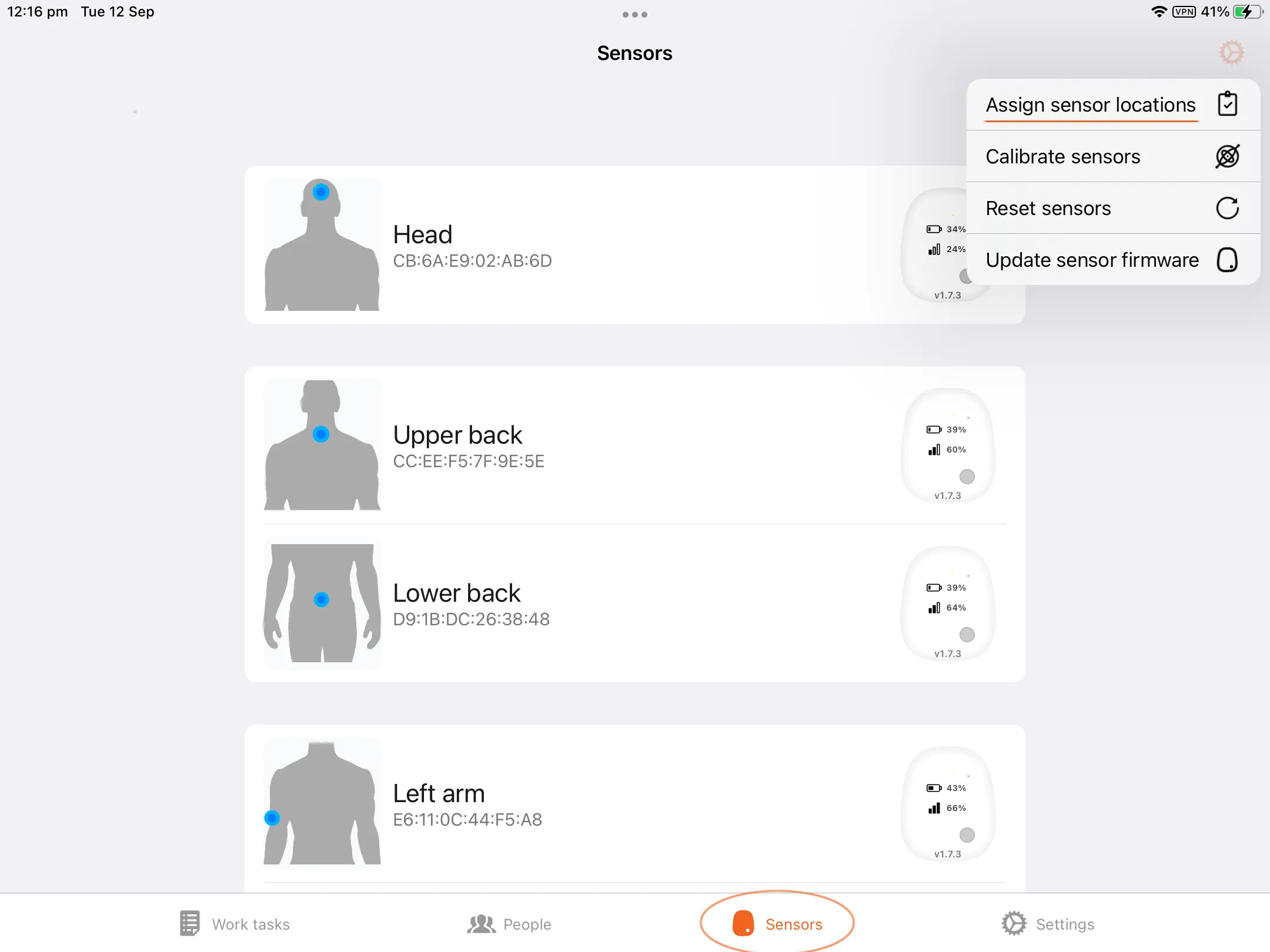
Rechargeable IMU sensors on the head, upper back, lower back and both arms — cervical posture, thoracic posture, the lumbar spine (the most claims-significant region for manual handling), and upper-limb exposure. Straps fit over and under common PPE. Battery and signal are auto-checked at the start.
The app
An iPad or iPhone in the field
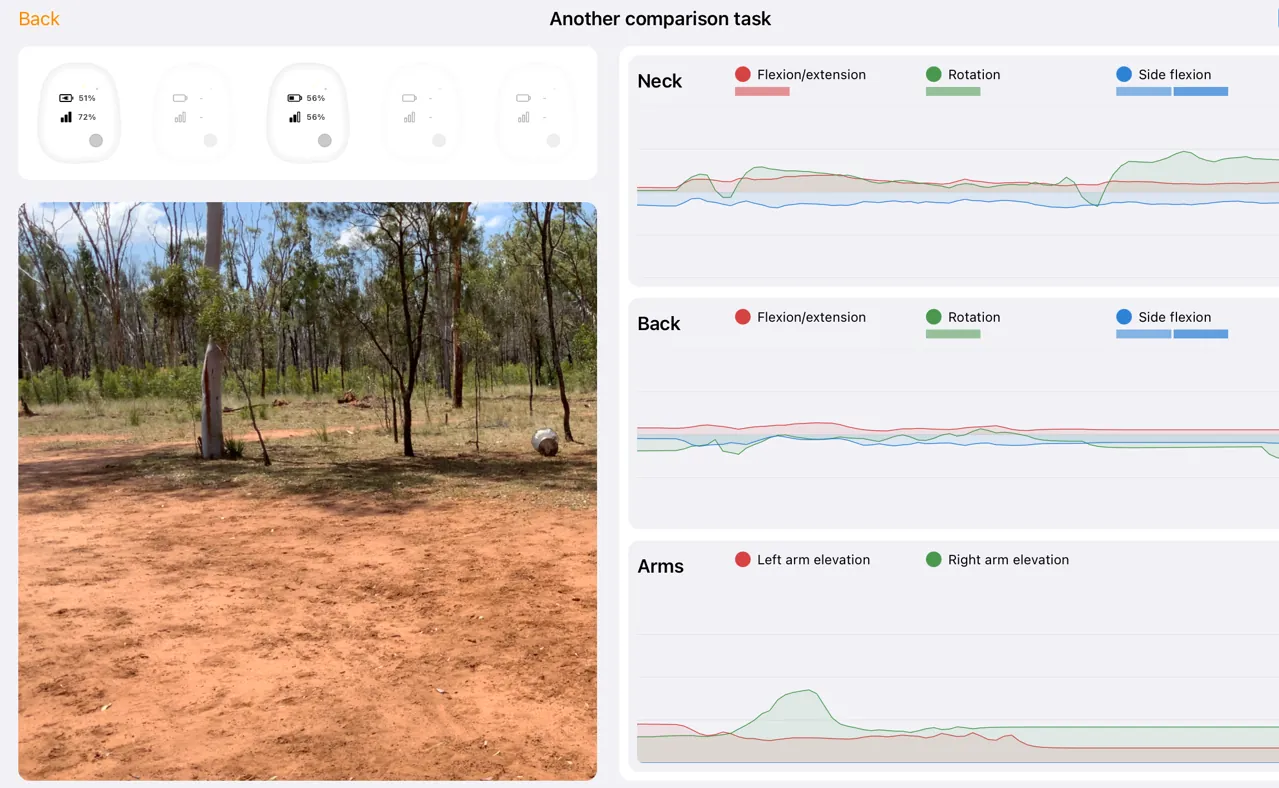
Sensor pairing and pre-flight checks, real-time capture, prompts for the task context the sensors cannot know — load, grip, shift duration, perceived effort, PPE, environment — and optional synced video with automatic face-blurring. The score appears on completion. It works offline and syncs later.
The portal
A record that outlives the assessment
The assessment surfaces in Etiscope's cloud portal: the assessment library, pre/post comparison, control management with owners, dates and overdue flags, and the contributing-factors detail behind every score. What-if adjustment lets you change the entered values and re-score the same captured movement.
How it works
Assess. Control. Validate. Track.
The same four steps run every program, from a single task to a multi-site rollout.
One assessment through the cycle: Assess → Control → Validate → Track. Illustrative figures.
Step 01
Assess
Five inertial measurement unit (IMU) sensors fit to the worker. The task is performed in real conditions. The app produces a Consequential Risk Score, broken down by body region and dominant exposure factor.
Step 02
Control
The score names the lever. Targeted controls land high in the hierarchy — eliminate, substitute, engineer — instead of defaulting to worker training.
Step 03
Validate
Re-assess the same task after the control is in. Pre and post scores sit side by side. If the score didn't fall, the control didn't change the work.
Step 04
Track
Every assessment lives in Etiscope's cloud portal. Risk trends across sites, tasks and time. The defensible, longitudinal record builds itself.
Evidence
What an assessment produces.
Every completed assessment adds the same set of records to Etiscope, and everything else you do on the platform builds on them.
- Summary assessment
- The headline Consequential Risk Score, its risk band, the body-region breakdown and the dominant exposure factors.
- Detailed contributing-factors report
- Every input variable that shaped the score, in the shape an engineer or an ergonomist can review.
- Task description
- Load, grip, shift duration, perceived effort, PPE and the other context the assessor entered.
- Data capture summary
- Sensor placement, the capture window, video sync metadata and the assessor's notes.
- Physical task demands report
- The functional-demand profile used for return-to-work matching, recruitment and induction.
Program intelligence
Turning assessment evidence into prevention.
Etiscope takes the evidence captured in the field and builds it into an asset your prevention program owns — one that grows more useful with every assessment.
Task & job insights
What the data implies about specific tasks and aggregated roles, surfaced across every site and every shift.
Task demands library
A documented profile of the physical demands of every important role — built once, drawn on for years.
Return-to-work matching
Suitable duties agreed by the worker, their supervisor and the RTW coordinator from each task's measured demands, then signed off by the treating doctor. Delivered today as an engagement built on your task demands library.
The risk universe
Portfolio-level visualisation of musculoskeletal risk across the whole organisation.
Validation evidence
The same task, before and after a control, measured the same way — proof a change worked.
Etiscope AI
The AI capability inside Etiscope: natural-language reporting, decision support and exposure forecasting, with customer data anonymised and opt-out by design.


Why Etiscope
Built for a risk that's never one thing.
Objective by design
The sensors measure exposure rather than estimating it by eye, and the methodology supplies the consequence weighting. Your assessor adds the task context, and the result holds up in the field, not just the lab.
Consequence-weighted
The Consequential Risk Score weights exposure by injury severity, recovery pathway and claims-cost data — so it reflects which task will hurt someone, not just which angle crossed a threshold.
Connected, not single-point
Musculoskeletal disorder (MSD) risk is multi-factorial — how load, posture, repetition, duration and recovery combine, against the worker and how the work is organised. Etiscope connects the whole lifecycle — assess, control, validate, track — instead of ending at one number.
Grows with your program
The evidence you build in Etiscope stays yours, and it becomes more useful the longer your program runs.
Evidence
Patents, recognition, and customers who kept going.
Intellectual property
Patents granted in Australia and the United States cover the wearable sensor methodology.
Research partners
The University of Waterloo's Centre of Research Expertise for the Prevention of Musculoskeletal Disorders (CRE-MSD) and Cranfield University anchor the ongoing validation and methodological extension work.
In the field
Pacific Gas and Electric (PG&E) scaled the program from two assessors to twenty-six in six months. PG&E's published evaluation records that the platform met its four customer-defined requirements, including assessment in confined spaces and elevated work, and risk assessment from a safe distance.
Read the case studies → 2024 Australian Technologies Competition 'Digital Health' Award
 US National Safety Council MSD Solutions Lab Premium Partner and Top-5 Safety Platform
- 2023 AiiA Technology Platform Solution of the Year
- 2023 NGIN US Market Access Program Grand Prize
Some of the organisations using Etiscope



The people behind it
Built and backed by experts.
A multidisciplinary team across ergonomics, technology, medical advisory, physiotherapy, health and safety, and occupational hygiene, working with international university collaborations. The methodology is what that expertise has been poured into.



Architecture
How it fits together.
Etiscope Capture records the evidence, Etiscope turns it into program intelligence, and Etiscope AI works inside the platform. MoveTime, a separate product from JointAction, looks after sedentary and desk-based workers — so together they cover everyone in your organisation.
Program intelligence
Etiscope
- Task and job insights
- Task demands library
- Functional Demand Statements
- The risk universe
- Longitudinal program reporting
Etiscope AI — the AI capability inside Etiscope, working on the same evidence.
Field capture · inside Etiscope
Etiscope Capture
Five IMU sensors, the iPad and iPhone app and the Consequential Risk Score — physical and manual-handling work, assessed where it happens.
A separate product
MoveTime
For sedentary and desk-based work. A desktop application with organisation and site licences. It is not part of Etiscope and is licensed separately.
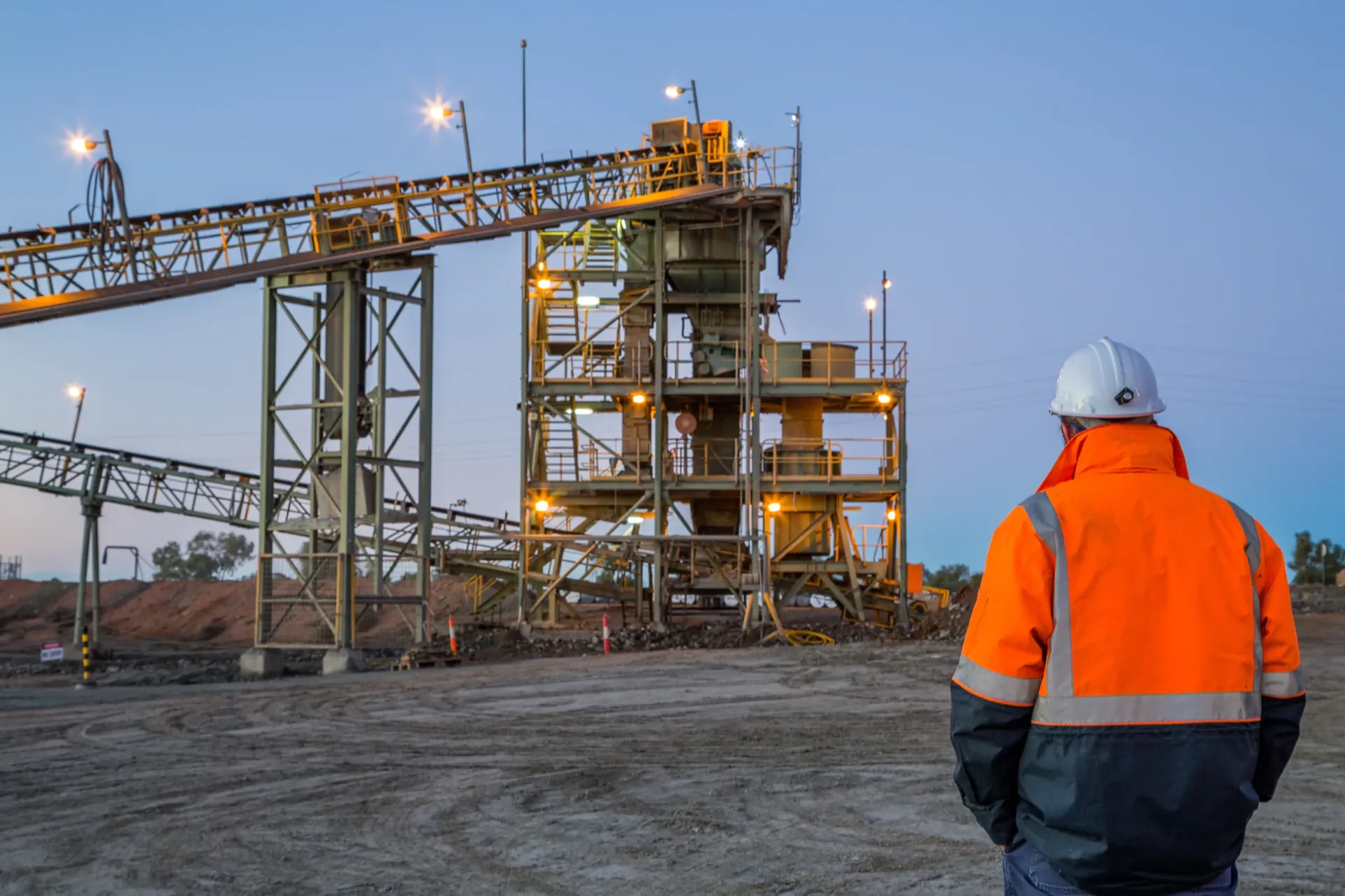
Used in defence, infrastructure, hospitality, aged care and utility settings across Australia, New Zealand, the US and the UK
In the work. Not the report.
Support
Learn Etiscope in 13 lessons.
The Etiscope guide is a written course that takes you from a first look at the platform through to running your program. Each lesson builds on the one before, and anyone on your team can follow it.
- Lessons
- 13
- Video
- 12 with video
- Start here
- Lesson 1 — Introduction names the parts and walks the workflow end to end.